GameAccount Network Relinquishes Long-Held UK Remote Gambling License in Strategic Shift
Written by Amir Krause · Nov 15, 2026
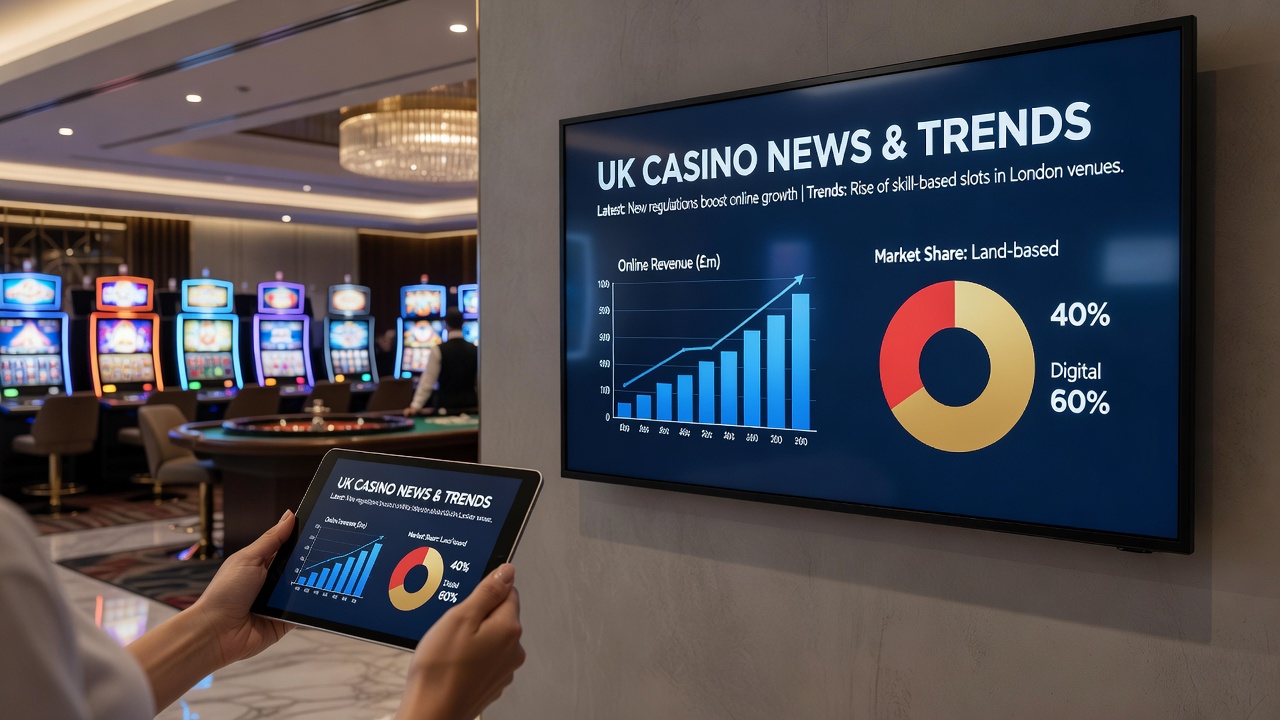
GameAccount Network Relinquishes Long-Held UK Remote Gambling License in Strategic Shift
GameAccount Network, known as GAN, surrendered its UK Gambling Commission remote gambling software license on November 4, 2026, bringing an end to an authorization originally granted in 2009; the decision forms part of parent company Sega Sammy's larger restructuring efforts that respond to sharp revenue declines in the British market. Observers note the move aligns with a broader pivot toward US-focused operations where the company sees stronger growth potential through B2B partnerships and tribal casino integrations.
Background on the License and Its Duration
The remote gambling software license allowed GAN to supply casino content and gaming systems to operators across the UK, yet data from the period between 2024 and 2025 shows UK revenue falling 61 percent to £6.13 million while pre-tax losses approached £10 million; those figures prompted the parent organization to reevaluate its footprint in the jurisdiction. Researchers tracking regulatory changes point out that the surrender occurred without any reported compliance issues, reflecting a purely commercial calculation rather than enforcement action.
Financial Pressures Driving the Decision
Financial reports released by Sega Sammy highlight sustained contraction in UK-generated income, a trend that began well before 2026 and accelerated amid evolving market conditions; the company recorded losses nearing £10 million in the most recent reporting cycle, prompting executives to redirect resources away from European B2B software licensing. Analysts who reviewed the filings emphasize that the 61 percent revenue drop to £6.13 million between 2024 and 2025 represented the clearest signal that continued investment in the UK license no longer aligned with corporate priorities.
Strategic Reorientation Toward US Markets
Following the license surrender, GAN has concentrated its efforts on US B2B operations, tribal casino partnerships, and simulated gaming products that operate outside traditional regulated frameworks; company statements indicate these segments now receive the bulk of development budgets and sales attention. Data compiled by industry trackers shows US gaming revenue streams growing at a markedly faster pace than those in the UK, providing Sega Sammy with a clearer path to profitability in the coming years.

Timeline of Events Leading to November 2026
The sequence began with internal reviews at Sega Sammy headquarters in 2025, continued through cost-reduction measures that included staff adjustments in European offices, and culminated on November 4, 2026, when the UKGC recorded the formal surrender of the remote software license; throughout the process the company maintained open communication with regulators to ensure an orderly exit. Observers familiar with licensing procedures note that such voluntary surrenders typically require several weeks of administrative preparation, suggesting the decision had been finalized well before the public announcement date.
Implications for UK Operators and Players
UK-facing operators that previously integrated GAN content must now source alternative suppliers, although the company has stated it will honor existing contractual obligations through their natural expiration dates; the UKGC has confirmed that player funds and game integrity remain unaffected because the license surrender involves only B2B software distribution rather than operator-facing customer accounts. Figures released by the Commission indicate that multiple other licensed suppliers continue to serve the market, limiting any immediate disruption to game availability.
Industry Context and Comparable Moves
Other international gaming firms have executed similar license withdrawals when revenue trajectories no longer justify ongoing regulatory overhead, and GAN's case follows that established pattern; the parent company's emphasis on US tribal partnerships and simulated gaming mirrors strategies adopted by competitors seeking higher-margin opportunities outside mature European markets. Data aggregated across multiple jurisdictions reveals that B2B software providers increasingly allocate resources according to growth rates rather than historical presence, a shift that explains the November 2026 timing of GAN's action.
Regulatory Perspective on the Surrender
The UK Gambling Commission maintains a public register that documents all license changes, including voluntary surrenders, and the GAN entry now reflects the November 4, 2026, termination without any additional conditions or sanctions; regulators have reiterated that such exits occur regularly and do not signal broader sector instability. According to the official record, GAN's original authorization covered remote gambling software supply and had remained active for more than seventeen years prior to the decision.
Future Outlook for Sega Sammy and GAN
Company guidance issued alongside the license surrender projects continued investment in US B2B platforms, expanded tribal casino integrations, and simulated gaming offerings that operate in less regulated environments; these areas are expected to absorb the resources previously allocated to UK operations. Projections shared in earnings materials suggest the reallocation could stabilize overall profitability within two reporting cycles provided US market conditions remain favorable.
Conclusion
The surrender of GAN's UK remote gambling software license on November 4, 2026, marks the conclusion of nearly two decades of authorized activity in the jurisdiction and illustrates how parent company Sega Sammy has responded to documented revenue contraction and strategic realignment toward US growth avenues. The episode supplies a clear example of corporate decision-making driven by financial data rather than regulatory pressure, leaving operators and regulators with an orderly transition process already underway.