Geofencing Systems Reshape Access Patterns for Themed Slot Games Across US Territories
Written by Amir Krause · Aug 16, 2026
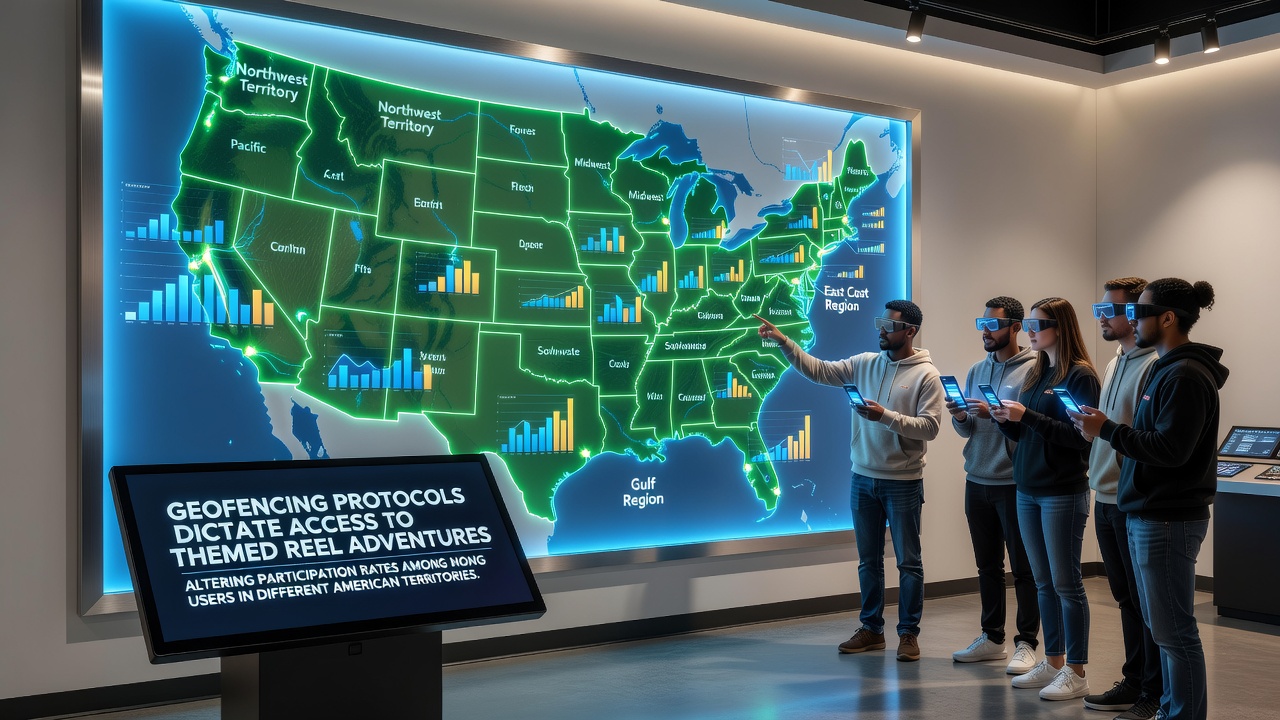
Geofencing Systems Reshape Access Patterns for Themed Slot Games Across US Territories
Geofencing technologies have become central to how operators manage player entry into themed reel adventures, since state regulations require strict location verification before any real-money play begins. These digital boundaries rely on GPS data, Wi-Fi signals, and IP address checks that activate or block game servers the moment a device crosses into an unauthorized zone, and participation rates reflect those divisions immediately. Data from regulated markets shows clear differences between states where full access operates and those where only limited sessions occur because of incomplete coverage or stricter rules.
Mechanics Behind Regional Restrictions
Operators integrate geofencing into mobile apps and desktop platforms so that themed reel adventures load only when a user's device registers inside approved boundaries, which means players in states with active online gaming laws experience uninterrupted sessions while those near borders or in restricted areas encounter instant lockouts. Multiple verification layers run simultaneously, including satellite positioning combined with network triangulation, and the result is a system that updates every few seconds to maintain compliance without manual intervention. Observers note that participation rates drop sharply in zones where signal interference from rural terrain or urban structures creates false negatives, forcing users to relocate or abandon attempts.
States such as New Jersey and Pennsylvania maintain dense networks of approved towers that support steady engagement, whereas territories with newer frameworks see slower rollout and correspondingly lower session volumes during the initial months of implementation. August 2026 brought expanded mapping updates in several midwestern jurisdictions, where operators adjusted fence perimeters to include additional counties after legislative changes took effect, and early figures indicate a measurable uptick in completed spins once those adjustments stabilized.
Impact on Player Behavior and Session Data
Participation metrics collected across different American territories reveal that users in fully enabled regions complete more themed reel adventures per week than counterparts in partially restricted zones, since seamless access removes friction points that otherwise interrupt play sequences. Research conducted by university gaming labs demonstrates that average session length extends by noticeable margins when geofencing operates without repeated re-verification prompts, while frequent boundary checks correlate with higher abandonment rates before bonus rounds trigger. Those patterns hold across demographic groups, though mobile users in urban centers report fewer interruptions than rural participants who rely on variable cellular coverage.

One study released through the American Gaming Association tracked activity from January through July 2026 and found that states with mature geofencing infrastructure recorded consistent week-over-week growth in active accounts, whereas newer markets experienced plateaus until additional cell tower partnerships improved signal reliability. The same report highlighted how themed reel adventures featuring progressive jackpots attracted higher repeat visits in permitted areas because uninterrupted access allowed players to build toward milestones without relocation requirements.
Technical Updates and Compliance Adjustments
Software providers release quarterly patches that refine geofencing algorithms, incorporating machine learning models trained on historical boundary-crossing events so false blocks decrease while regulatory adherence stays intact. These refinements matter because even brief access denials can shift user attention toward unregulated alternatives, and operators track those migrations through anonymized telemetry that feeds back into fence calibration. In August 2026 several platforms introduced hybrid verification that blends device GPS with real-time carrier data, reducing the incidence of temporary lockouts during travel between neighboring states where laws differ.
Industry organizations such as the International Association of Gaming Regulators have published technical guidelines that encourage standardized data formats for location reporting, which helps smaller operators align with larger platforms and maintain uniform participation tracking across territories. Compliance teams review these standards regularly to ensure that themed reel adventures remain available only where statutes permit, and the resulting consistency supports more accurate forecasting of regional engagement levels.
Conclusion
Geofencing continues to define where and how users interact with themed reel adventures, producing measurable differences in participation rates that track directly with regulatory frameworks and technical infrastructure quality across American territories. Ongoing refinements in August 2026 and beyond indicate that operators will keep adjusting boundaries and verification methods to match legislative shifts, while session data provides the clearest record of how those changes influence player activity over time.