Mapping Sensory Triggers: Visual and Audio Elements Shape Slot Selections on Licensed US Mobile Platforms
Written by Iris Long · Aug 26, 2026

Mapping Sensory Triggers: Visual and Audio Elements Shape Slot Selections on Licensed US Mobile Platforms
Visual and audio components in licensed US mobile slot games direct player attention through coordinated design patterns that researchers have tracked across multiple state-regulated platforms, and these elements combine color palettes, motion graphics, sound layers, and rhythmic cues to guide selections in measurable ways.
Studies from institutions such as the University of Nevada, Las Vegas, have documented how specific visual triggers like flashing borders around high-value symbols and shifting background hues prompt users to favor certain games over others, while audio tracks with escalating tempos during bonus rounds reinforce repeated engagement on apps operating under Nevada and New Jersey oversight.
Visual Design Patterns Across Mobile Interfaces
Developers deploy high-contrast iconography and particle effects that activate upon symbol alignment, and these animations create focal points that draw the eye across smaller mobile displays where screen real estate remains limited, whereas static backgrounds give way to dynamic sequences that signal potential outcomes during spins.
Data collected in August 2026 from platforms licensed by the New Jersey Division of Gaming Enforcement shows increased selection rates for titles featuring layered particle systems and character-driven graphics compared to simpler reel layouts, and observers note that players navigate menus more quickly when thumbnail previews incorporate motion previews rather than static images.
Audio Layers and Their Role in Decision Pathways
Sound design incorporates distinct tonal shifts that mark wins, near-misses, and feature triggers, and these auditory markers operate alongside visual feedback to form multisensory loops that influence which games users choose to launch next, while background music adapts in volume and complexity based on session duration metrics tracked by platform analytics.
Research indicates that licensed operators integrate adaptive audio engines that respond to user interaction speed, and this responsiveness leads to higher retention on titles where celebratory chimes align precisely with on-screen explosions of light and color, creating a feedback cycle that researchers have mapped through session logs from several American Gaming Association member companies.
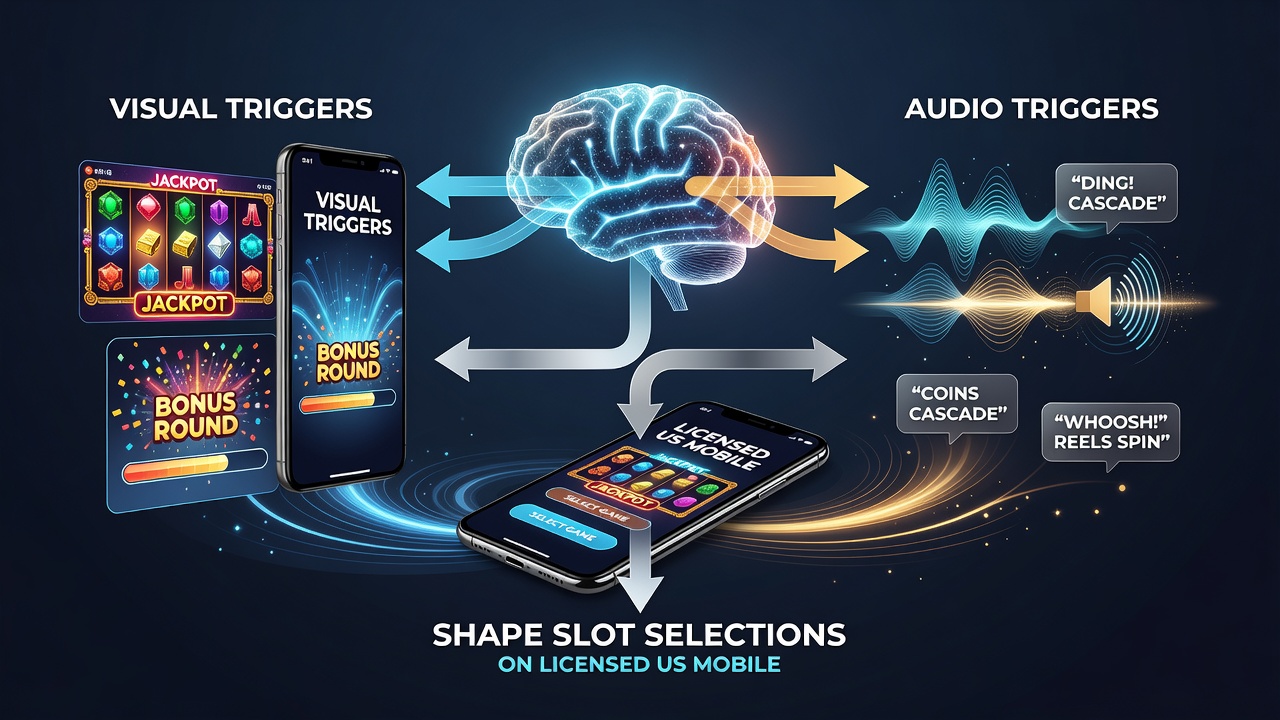
Combined Sensory Mapping in Regulated Environments
Platform operators compile heatmaps that correlate specific visual-audio pairings with selection spikes, and these maps reveal clusters where warm color gradients paired with upbeat musical stingers consistently outperform cooler palettes and minimal soundscapes, while regulatory frameworks in states like Pennsylvania require transparent reporting on game mechanics that include these sensory components.
Industry reports highlight that mobile apps updated in 2026 now allow users to toggle certain audio layers without disrupting visual sequences, and this option emerged after analysis showed varied preferences among different demographic groups accessing licensed content through state-approved channels.
Data Trends from Licensed US Markets
Figures released by state gaming bodies demonstrate that titles optimized for sensory balance maintain steadier play volumes across evening hours, and analysts attribute part of this stability to synchronized trigger systems that reduce abrupt sensory drops between base game and bonus phases, whereas mismatched elements correlate with quicker session exits according to aggregated telemetry.
One analysis of mobile traffic patterns found that games incorporating directional audio panning, where sounds shift left to right in tandem with symbol movement, recorded elevated click-through rates from lobby screens, and this technique appears across multiple operators serving users in regulated jurisdictions.
Conclusion
Sensory mapping continues to evolve within licensed US mobile slot ecosystems as developers refine visual and audio coordination based on performance data, and ongoing measurements from regulatory and academic sources provide clearer pictures of how these elements steer selections without altering core game mathematics or compliance standards.