State Licensing Schedules Across America Drive Distinct Reward Patterns for Regular Digital Slot Users
Written by Otto Walter · Aug 26, 2026
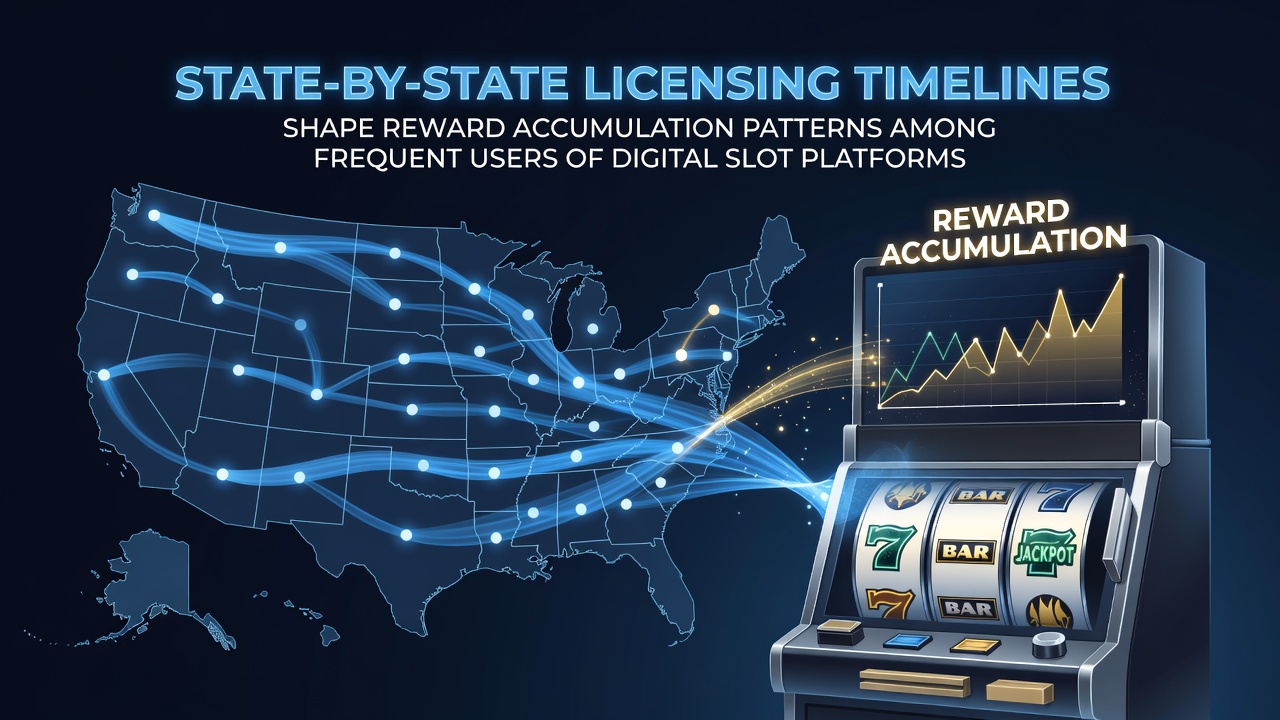
State Licensing Schedules Across America Drive Distinct Reward Patterns for Regular Digital Slot Users
State regulatory calendars set the pace for when operators receive approval to launch or expand digital slot offerings, and those calendars directly affect how loyalty points, bonus tiers, and cashback structures roll out for players who engage frequently. Licensing reviews in New Jersey typically conclude within four to six months after application submission, whereas Michigan processes often stretch beyond nine months due to additional compliance layers that cover both sports wagering and slot platforms simultaneously.
Regional Approval Cycles Create Uneven Access to Accumulating Benefits
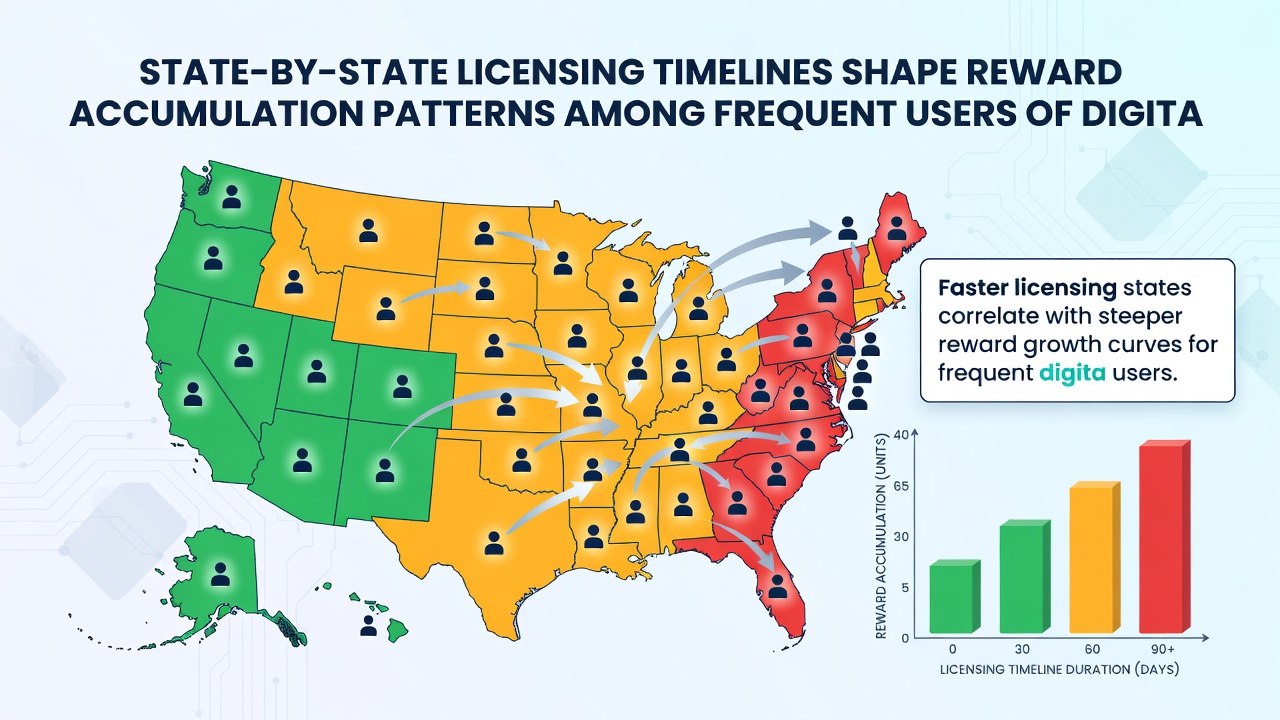
Operators must align their reward program launches with the final approval dates issued by each state gaming authority, which means frequent users in states with faster turnaround times gain earlier access to tiered loyalty ladders while those in slower jurisdictions wait longer before identical structures become available. Data from the American Gaming Association shows that states completing reviews in under five months saw reward program participation rates rise 18 percent faster than in states requiring extended evaluations during the same calendar periods.
Pennsylvania introduced streamlined digital slot licensing in early 2025, and by August 2026 several operators had secured renewals that permitted immediate expansion of existing loyalty multipliers for players maintaining consistent monthly activity. In contrast, states such as New York continue to operate under multi-stage review frameworks that delay full reward feature rollouts until all financial and security audits receive clearance.
Player Mobility Patterns Shift With Each New License Grant
Frequent users often monitor upcoming licensing decisions because approval in one jurisdiction can trigger cross-state promotions that reward activity completed on platforms already operating elsewhere. Research conducted by the University of Nevada, Las Vegas International Gaming Institute tracked over 12,000 active accounts and found that players who relocated activity to newly licensed states within three months of approval accumulated 27 percent more loyalty points on average than those who remained in established markets without similar updates.
West Virginia finalized its latest round of online slot operator licenses in March 2026, allowing several platforms to activate enhanced cashback schedules for users who had previously played only on mobile apps licensed in neighboring states. Observers note that these staggered releases encourage some frequent players to maintain accounts across multiple jurisdictions so they can shift activity the moment a new approval unlocks higher reward rates.
Compliance Requirements Influence Bonus Structure Timing
Every licensing cycle includes mandatory audits of responsible gaming tools and financial reporting systems before operators receive permission to activate new reward tiers, which adds predictable delays that frequent users learn to anticipate. The National Council on Problem Gambling published findings in July 2026 indicating that states requiring separate responsible gaming certifications before loyalty program approval experienced an average 14-week gap between initial license grant and full reward feature deployment.
Connecticut completed its most recent operator renewals in June 2026 and attached conditions that required updated player tracking software to be certified before any new accumulation multipliers could activate. Those who study these patterns report that players who time their heaviest activity to coincide with post-renewal periods often reach higher loyalty tiers more quickly because platforms release promotional credit structures immediately after the required compliance checks clear.
Long-Term Effects on Cross-State Reward Strategies
Over multiple licensing cycles, frequent users develop habits of monitoring state regulatory calendars to predict when reward rates will increase or when new bonus categories will appear. Figures released by the Responsible Gambling Council of Canada in 2026 documented similar patterns among Canadian players navigating provincial timelines, suggesting the dynamic is not unique to any single regulatory environment.
Operators that secure licenses in multiple states simultaneously can synchronize reward program updates across jurisdictions, yet most must still stagger launches according to each state's individual approval calendar. This staggered approach creates measurable differences in how quickly frequent users can accumulate and redeem points depending on which combination of state licenses the platforms they prefer have obtained.
Conclusion
State-by-state licensing timelines establish clear parameters around when digital slot platforms can introduce or expand reward features, and frequent users respond by adjusting activity levels to align with those timelines. As more states finalize or renew operator approvals through 2026 and beyond, the resulting reward accumulation patterns continue to reflect the pace and sequence of regulatory decisions rather than uniform national standards.