Streamlining Payment Systems Alongside Player Retention Efforts in Interstate Online Gaming Networks
Written by Erik Otto · Sep 20, 2026
Streamlining Payment Systems Alongside Player Retention Efforts in Interstate Online Gaming Networks
Interstate digital gaming networks operate under varying state regulations that shape how operators manage transactions and maintain player engagement across jurisdictions, and data from industry reports indicate growing coordination between these elements since early 2025.
Regulatory Landscape Across States
Multiple states including New Jersey, Pennsylvania, and Michigan maintain separate licensing frameworks for online gaming while permitting limited data sharing through compacts, and figures from the American Gaming Association reveal that interstate player pools expanded by 18 percent between 2024 and 2026. Observers note that operators must align payment processing with each state's rules on deposit limits, withdrawal timelines, and tax reporting, which creates technical requirements for unified systems that still respect local boundaries.
Payment Pathway Integration Methods
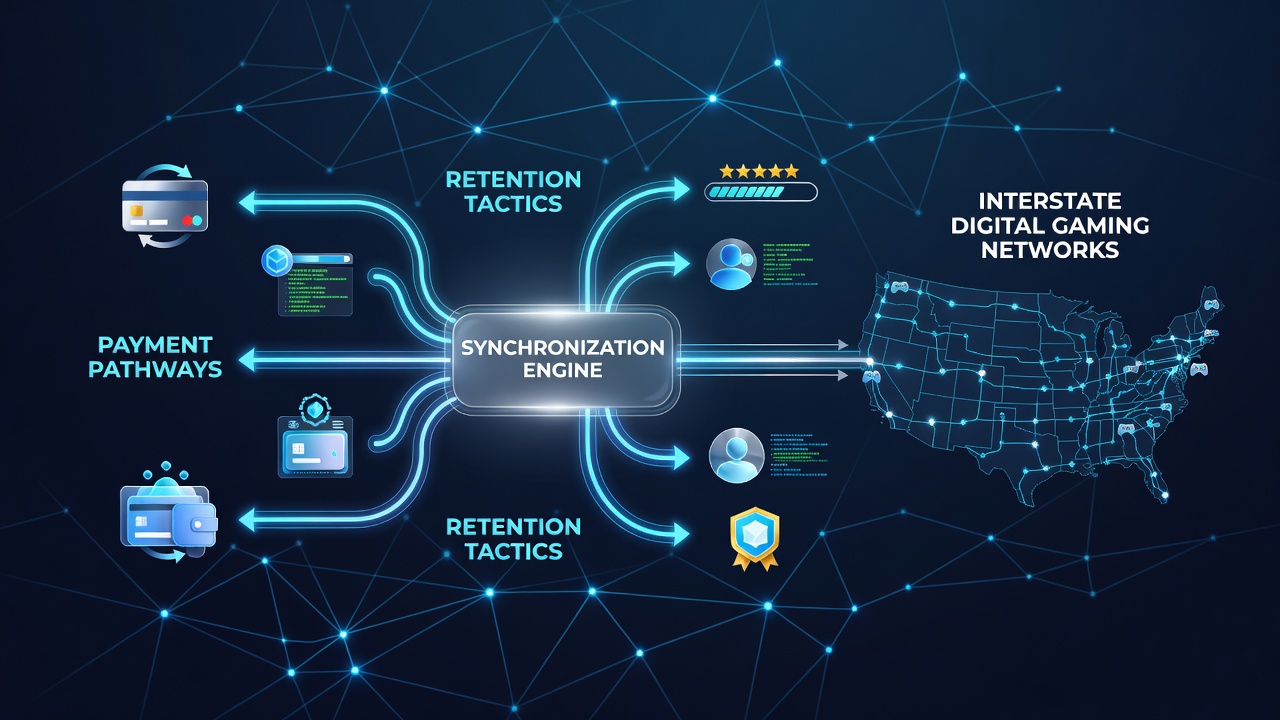
Payment pathways in these networks typically combine bank transfers, digital wallets, and card processors that route funds through state-approved gateways, while synchronization with retention tactics involves embedding loyalty rewards directly into transaction confirmations. Research from university studies on gaming technology shows that real-time balance updates and instant reward notifications increase repeat session rates when systems function across state lines without lag. Operators often deploy API connections that pull player data from multiple state databases yet apply retention triggers such as bonus credits only after compliance checks complete.
Retention Tactics and Data Synchronization
Retention tactics range from tiered loyalty points to personalized offers based on play history, and synchronization occurs when payment records feed directly into these programs to trigger rewards at key moments. Data indicates that networks linking transaction histories with retention engines achieve higher account activity levels because players receive seamless incentives regardless of which state hosts their session. One study revealed that integrated platforms reduced player churn by aligning deposit confirmations with loyalty point accruals within seconds of each transaction.
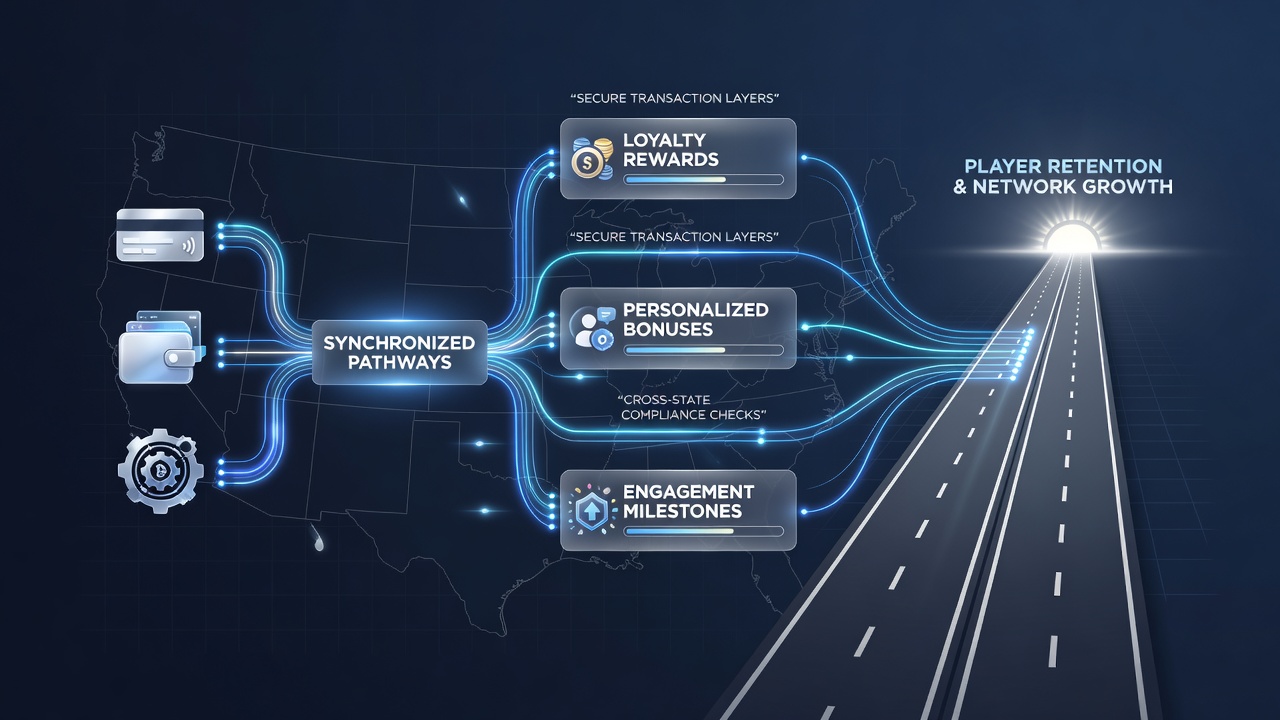
September 2026 brought updates to several state compacts that now require standardized reporting on how payment data supports retention metrics, and analysts at research institutions confirm these changes encourage operators to build shared dashboards. Experts have observed that such dashboards display aggregated figures on player deposits alongside retention campaign performance without exposing individual state-specific details beyond regulatory mandates.
Technical and Operational Considerations
Technical teams build middleware layers that translate payment instructions across different state protocols while preserving retention logic like streak bonuses or milestone rewards, and industry organizations report that these layers cut processing times by up to 40 percent in multi-state setups. Those who've studied the systems note that encryption standards must satisfy every participating jurisdiction, which adds complexity yet enables consistent reward delivery. Operators test these integrations through pilot programs that track both transaction success rates and retention uplift before full rollout.
Examples from Established Networks
Take one network operating across three northeastern states where payment pathways were unified under a single processor in 2025, and subsequent data showed retention programs activated 22 percent more frequently because transaction flags triggered offers automatically. There's this case where experts found that cross-state leaderboards tied to deposit volumes encouraged longer engagement periods when rewards appeared instantly after qualifying payments cleared. People who've examined similar setups discover that geofencing combined with payment verification prevents unauthorized access while still allowing seamless loyalty progression.
Future Developments and Standards
Industry reports project continued refinement of these synchronized systems through 2027 as additional states consider joining existing compacts, and sources from regulatory bodies in different regions emphasize the need for adaptable payment rails that accommodate new retention features. Academic papers highlight the role of machine learning in predicting when a player might disengage and routing a targeted payment-linked incentive to counteract that trend. Observers note steady adoption of these methods because they support compliance while maintaining engagement metrics across borders.
Conclusion
Coordination between payment pathways and retention tactics continues to evolve within interstate digital gaming networks as operators refine technical connections and regulatory compliance measures. Evidence from multiple sources shows measurable impacts on player activity when these elements align, and ongoing developments in September 2026 point toward further standardization. Those monitoring the sector expect additional states to participate in shared frameworks that support both secure transactions and sustained engagement.